
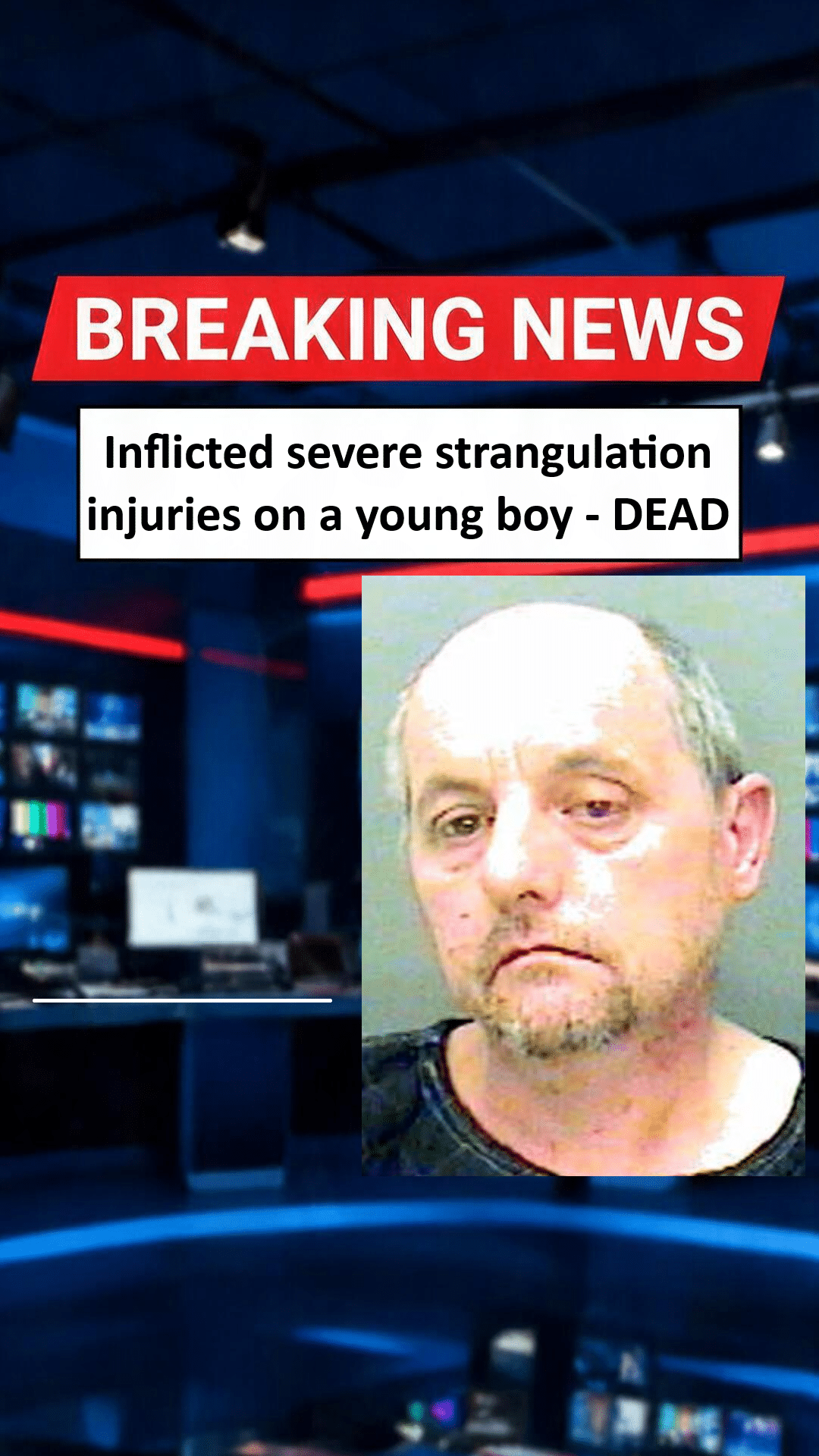
An official investigation by the Prisons and Probation Ombudsman (PPO) has identified critical failures in suicide prevention and mental health monitoring preceding the death of Clive Cocking at HMP Wymott.
Cocking, from Blackburn, was serving an Imprisonment for Public Protection (IPP) sentence with a minimum term of seven years, handed down in March 2011 following a violent attack on a 12-year-old child.
The original Crown Court trial heard that Cocking attempted to kill the child by strangulation during a drunken assault. Medical evidence documented that the boy sustained severe injuries resulting from excessive compressive force, including extensive bruising to the neck and significant haemorrhaging surrounding his eyes, face, and chin.
The newly published Ombudsman findings document Cocking’s long-standing history of acute mental health instability, self-harm, and suicidal ideation. Following a conditional release from custody on licence, Cocking’s period in the community lasted one week before he resumed alcohol misuse and made an attempt on his life. Discovered collapsed by members of the public, he received emergency hospital treatment before being recalled to closed prison custody.
Cocking was initially held at HMP Preston before being transferred to HMP Wymott, near Leyland. The Ombudsman identified clear institutional failures at HMP Preston, noting that standard Assessment, Care in Custody and Teamwork (ACCT) suicide prevention procedures were not implemented upon arrival. When eventually opened, the case files lacked meaningful daily entries, senior oversight, and risk-reduction strategies.
At HMP Wymott, ACCT monitoring was closed shortly after his arrival. Five days following the closure of the case, Cocking’s cellmate—who had been formally logged by staff as his sole source of personal support—was moved to a different prison establishment. Prison staff failed to carry out a welfare reassessment or evaluate how the sudden loss of his peer support network affected his vulnerability.
The following afternoon, Cocking was discovered unresponsive inside his cell. Emergency resuscitation interventions by prison operational staff and attending paramedics proved unsuccessful, and he was pronounced dead at the scene.
A clinical review conducted alongside the inquiry determined that the evaluation leading to Cocking’s discharge from the prison mental health caseload lacked proper diagnostic depth, concluding that a full mental health assessment should have been completed.
Under the provisions of the Sexual Offences (Amendment) Act 1992 and Section 49 of the Children and Young Persons Act 1933, any child victim or juvenile witness connected to the underlying criminal convictions is entitled to automatic, lifelong statutory anonymity. Disseminating, publishing, or broadcasting identifying details, names, addresses, educational facilities, or photographs relating to protected individuals is strictly prohibited under UK law.
The Prisons and Probation Ombudsman made three key institutional recommendations instructing HM Prison and Probation Service to implement rigorous checks on suicide prevention procedures, improve mental health case management, and mandate immediate reassessments following sudden changes in cell allocation. The Ministry of Justice accepted all three findings and introduced a corrective action plan across both establishments.
Image – Anonymous Artist Impression
For the latest updates and offender details, follow us on the Offender Database Facebook Page. If you or anyone you know has been affected by the individuals highlighted on this website, please report them to the Police on 101 (999 in an emergency) or visit their online resources for further details on how to report a crime. You can also report to Crimestoppers if you wish to remain completely anonymous. There is help available on our support links page.