
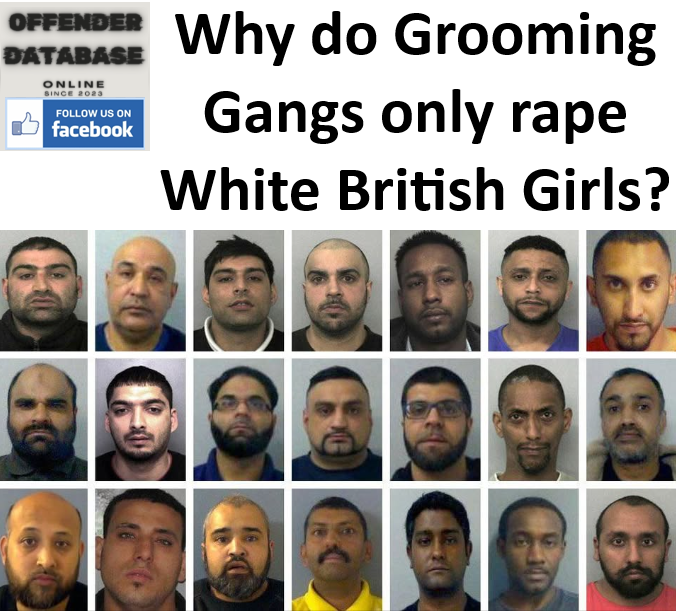
The inquiry into child sexual exploitation (CSE) by grooming gangs has identified that race and cultural perceptions played a significant role in both the targeting of victims and the failure of authorities to intervene. Investigations in towns like Rotherham, Rochdale, and Telford have confirmed that the majority of offenders in these specific coordinated gangs were of Pakistani heritage, while the victims were almost exclusively white British girls.
The Role of Racial and Cultural Bias
Evidence presented to various inquiries suggests that a specific “us vs. them” mentality was present among many offenders. This manifested in several ways:
- Dehumanisation of Victims: Testimonies from survivors and investigators indicate that some offenders viewed white girls as “worthless” or “fair game.” This was often tied to a distorted view of Western culture, where the girls’ clothing or social freedom was used to justify their abuse.
- Protection of “In-Group” Members: As noted in your query, when offenders were questioned about why they did not target girls from their own community, the response often centred on the “purity” of Muslim girls. This demonstrates a clear racial and religious boundary in their predatory behaviour—protecting their own community while systematically targeting another.
- Targeting Vulnerability: Gangs often targeted girls from “broken” homes or impoverished backgrounds, calculating that these victims were less likely to be believed by authorities or protected by their families.
Institutional Failure and “Political Correctness”
One of the most damaging aspects of these cases was the institutional response. Reports, such as the 2014 Jay Report into Rotherham, found that police and social workers were often “paralysed” by a fear of being labelled racist.
| Institutional Failure | Impact on Investigation |
| Fear of Stigma | Authorities avoided identifying the ethnicity of offenders to prevent “racial tensions.” |
| Victim Blaming | Vulnerable white girls were often dismissed as “wayward” or “making lifestyle choices.” |
| Information Suppression | Early reports identifying the specific ethnic makeup of the gangs were suppressed or ignored by senior officials. |
The Current Inquiry
The ongoing inquiry is specifically tasked with examining whether ethnicity, culture, or religion influenced the offending. It aims to determine if institutional “blind spots” allowed the abuse to continue for decades. By directly addressing the racial element, the inquiry seeks to ensure that political sensitivities never again override the duty to protect children.
The consensus among many experts and victims’ advocates is that racism was a two-way street in these cases: it motivated the offenders to target a specific “outside” group, and it simultaneously blinded the authorities, who were too concerned with communal relations to see the crimes for what they were.
If you or anyone you know has been affected by the individuals highlighted on this website, please report them to the Police on 101 (999 in an emergency) or visit their online resources for further details on reporting a crime. You can also report to Crimestoppers if you wish to remain completely anonymous. There is help available on our support links page.