
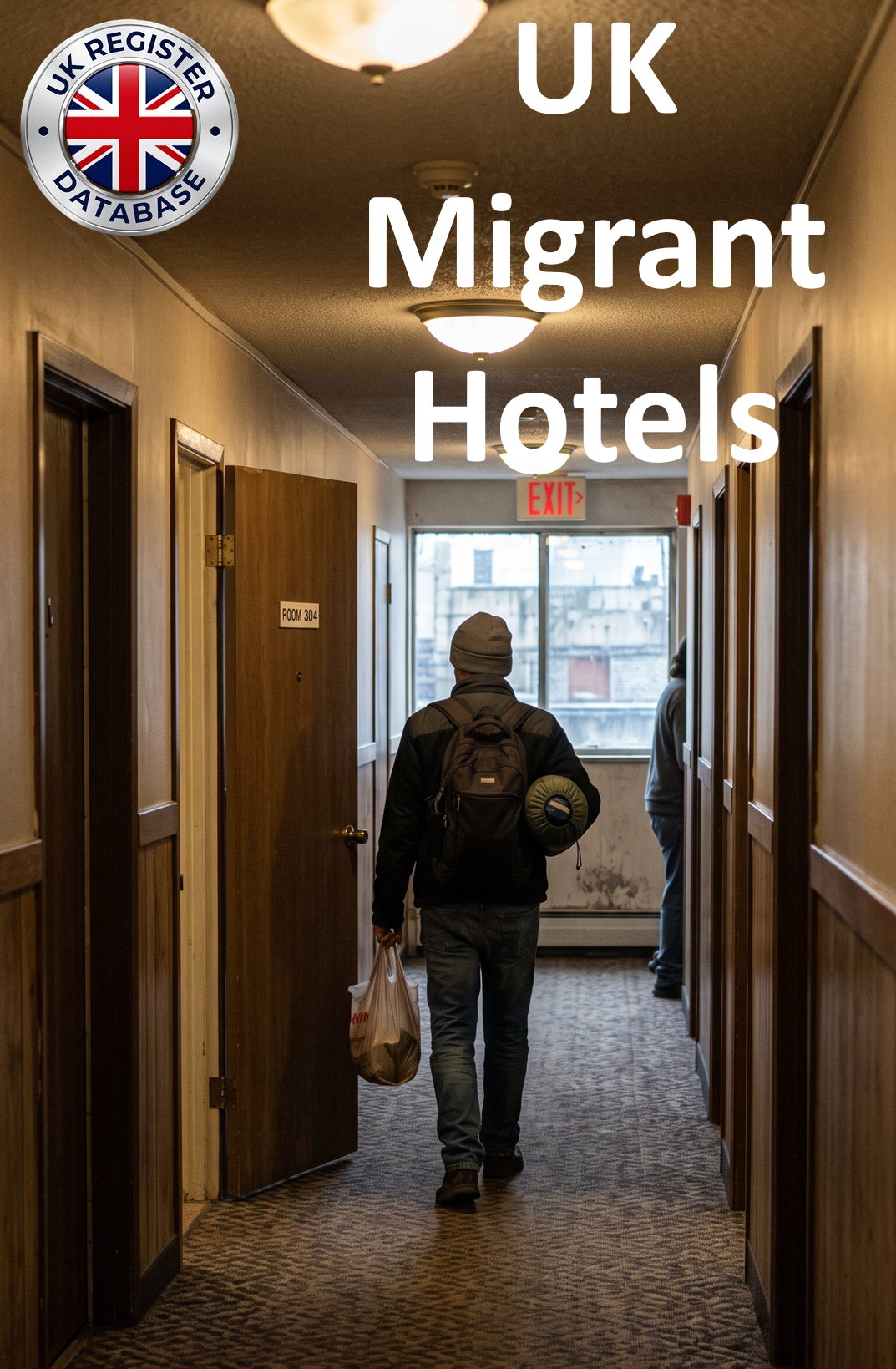
According to Home Office statistics, between 31,000 and 36,000 asylum seekers in the UK reside in hotels while awaiting initial decisions or appeals on their claims. Although this represents a decrease from peak post-pandemic levels—when over 50,000 people occupied around 400 hotels—contingency hotels still house approximately one-fifth of all accommodated asylum seekers nationwide.
The overall financial cost to the UK taxpayer remains significant, with hotel accommodation expenses ranging between £5 million and £8 million per day. This contributes to an annual asylum accommodation bill exceeding £2.7 billion.
For hotel operators and private accommodation contractors—such as Serco, Mears Group, and Clearsprings Ready Homes—these government arrangements provide long-term, guaranteed revenue streams. Through lucrative exclusive-use contracts and block-booking agreements, prime facilities secure 100% occupancy rates regardless of seasonal fluctuations. While exact per-room rates vary depending on region and facility size, major housing providers managing these contracts have reported tens of millions of pounds in annual profits. Consequently, while the government aims to phase out hotel usage entirely, the commercial hospitality sector continues to derive substantial earnings from managing state-funded asylum accommodation.
For the latest updates and offender details, follow us on the UK Register Database Facebook Page. If you or anyone you know has been affected by the individuals highlighted on this website, please report them to the Police on 101 (999 in an emergency) or visit their online resources for further details on how to report a crime. You can also report to Crimestoppers if you wish to remain completely anonymous. There is help available on our support links page.