
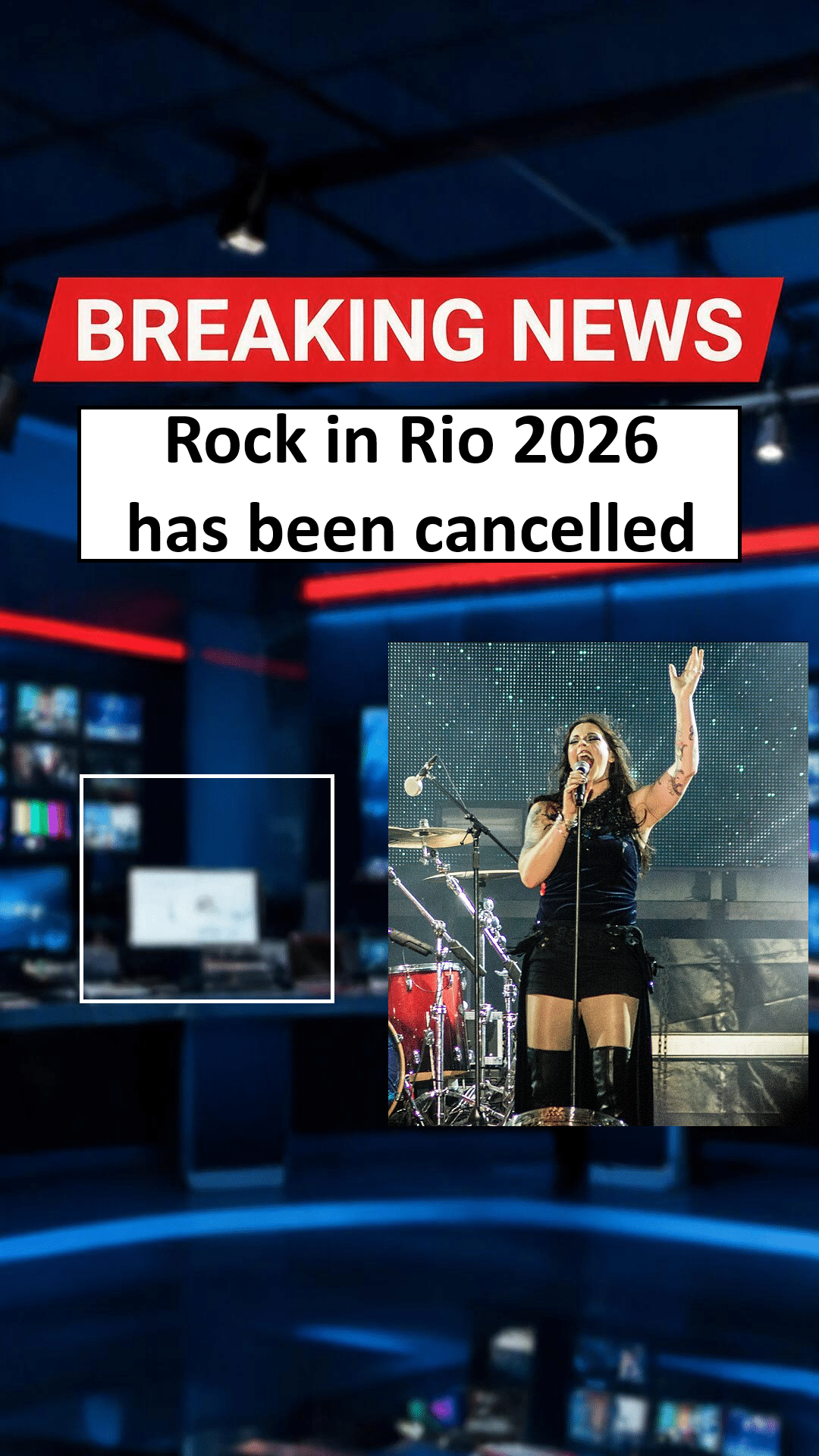
While the disruption of a festival the scale of Rock in Rio is often met with widespread frustration, the cancellation of the 2026 event brings an undeniable relief for anyone prioritising attendee welfare and basic safeguarding. Massive, overcrowded music events have consistently struggled with alarming rates of harassment and sexual violence, where dense crowds, impaired visibility, and chaotic security environments create dangerous blind spots that predators routinely exploit.
Every year, women and vulnerable attendees—including teenagers and older children navigating festival grounds—face persistent threats in environments that too often treat personal security as an afterthought behind commercial spectacle. Halting an event that continually fails to ensure basic physical integrity shouldn’t simply be viewed as a loss for the live entertainment industry; it serves as a critical, overdue moment of accountability.
Until mega-festivals can implement genuinely robust security infrastructure, proactive bystander intervention, and zero-tolerance safeguarding measures that reliably protect people from assault, pausing them is not merely justified—it is entirely necessary.
For the latest updates and offender details, follow us on the Offender Register Facebook Page. If you or anyone you know has been affected by the individuals highlighted on this website, please report them to the Police on 101 (999 in an emergency) or visit their online resources for further details on how to report a crime. You can also report to Crimestoppers if you wish to remain completely anonymous. There is help available on our support links page.