
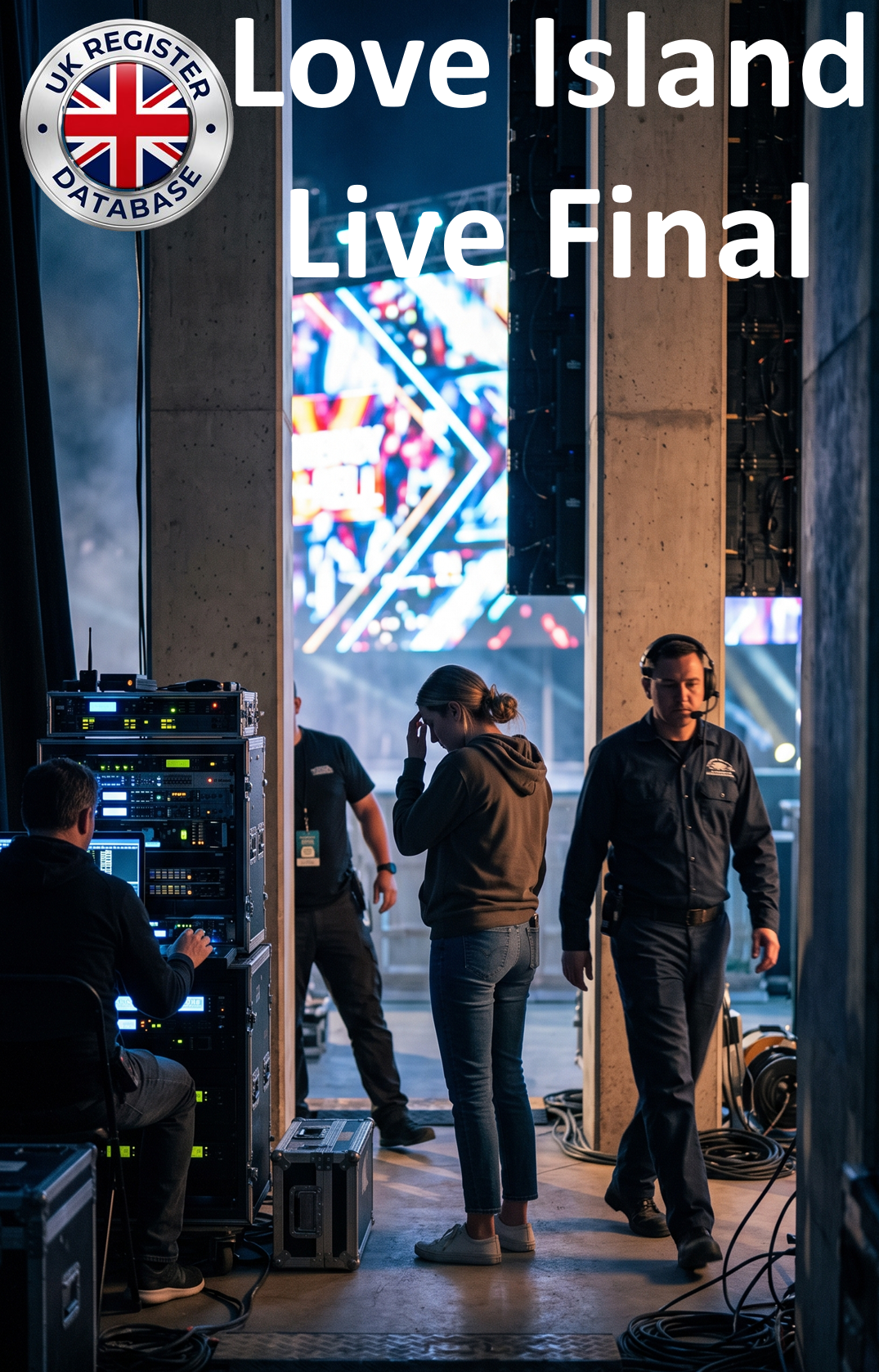
Love Island faces growing criticism that its high-stakes live final represents a modern iteration of exploitation, drawing stark parallels to Victorian freak shows. While the 19th-century spectacle commodified physical differences for public amusement, contemporary reality television turns emotional fragility and psychological distress into lucrative prime-time entertainment.
The live final traps vulnerable young contestants in a high-pressure environment where their most intimate relationships, insecurities, and personal conflicts are broadcast to millions. Many islanders enter the villa seeking fame or connection, unaware of the severe mental toll imposed by constant surveillance, aggressive online trolling, and post-show media intrusion. The format relies heavily on constructing simplified, sensationalised narratives that reduce complex human beings to caricatures—the heartbreaker, the victim, or the villain—solely to drive viewing figures and social media engagement.
During the live broadcast, producers exploit the raw, unscripted reactions of contestants for theatrical effect, parading their heightened emotional states before a voyeuristic audience. Just as Victorian crowds paid to gawk at perceived oddities, modern viewers consume the structured humiliation and distress of real people under the guise of interactive entertainment. Ultimately, the live final prioritises corporate profit over human welfare, exposing vulnerable individuals to enduring psychological harm for public consumption.
For the latest updates and offender details, follow us on the UK Register Database Facebook Page. If you or anyone you know has been affected by the individuals highlighted on this website, please report them to the Police on 101 (999 in an emergency) or visit their online resources for further details on how to report a crime. You can also report to Crimestoppers if you wish to remain completely anonymous. There is help available on our support links page.