
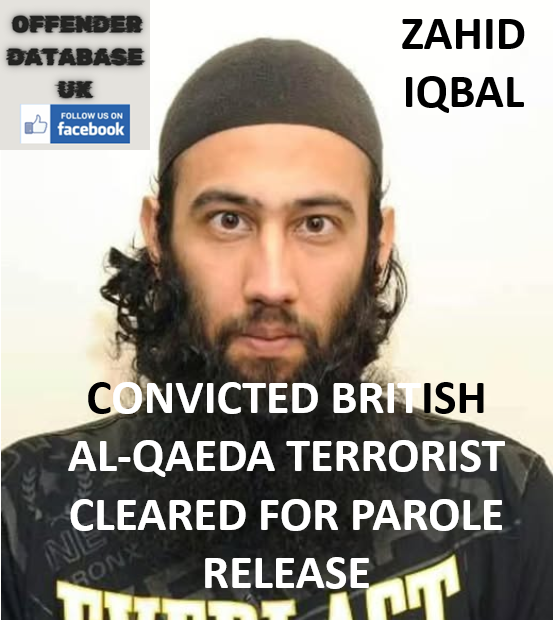
In 2026, convicted terrorist plotter Zahid Iqbal was cleared to walk free from prison on parole, executing a highly controversial release directive that explicitly bypassed veto attempts from the highest levels of British government.
Iqbal was originally handed a life sentence with a minimum term of 11 years and three months after plotting a mass-casualty Islamist bomb attack. His impending release has ignited a severe institutional dispute, as frontline public protection experts and political cabinet members have united in warning that the offender poses an ongoing threat to national security.
The Bomb Plot and Initial Terror Conviction
The initial investigation, led by specialized counter-terrorism commands, exposed a sophisticated extremist cell operating under the influence of global terrorist networks. Iqbal and his co-conspirators were intercepted by security services while actively formulating a plot to detonate an improvised explosive device (IED) at a Territorial Army center.
Remote-Controlled Car Logistics and Digital Extremism Manuals
- The Attack Delivery Method: Incontestable surveillance tracking proved that Iqbal’s group planned to attach a high-explosive bomb to a mobile, remote-controlled toy car, intending to steer the vehicle into the military compound to maximize casualties.
- The Al-Qaeda Connection: Security agencies recovered digital forensic evidence showing the cell utilizing an online al-Qaeda training manual titled “How to make a bomb in the kitchen of your mom — by the al-Qaeda chef” to source manufacturing instructions.
- The Prison Recall: After serving his minimum tariff, Iqbal was granted initial parole but was subsequently dragged back to secure custody. Enforcement teams executed an emergency recall following security intelligence regarding his unauthorized possession of a self-defence weapon and literature detailing the September 11 terror attacks, though formal charges were later dropped due to insufficient evidence.
Key Takeaways and Judicial Outcomes
Following his return to the prison estate, Iqbal’s case moved back before the Parole Board in 2026. Despite extensive evidence detailing his prior compliance failures, a panel ruled that his risk could be managed within the community.
- Original Conviction: Iqbal was handed a mandatory life sentence for engaging in conduct in preparation for acts of terrorism.
- The Parole Board Decision: Overriding institutional objections, the independent panel authorized his second community release in May 2026.
- The Political Veto Attempt: Justice Secretary David Lammy actively attempted to block the release mechanism, formally condemning the board’s decision as “legally irrational” amid parallel demands from shadow ministers for an absolute political veto on Islamist extremism cases.
Community Impact and Public Protection
The operational decision to liberate Iqbal has exposed deep structural rifts within the UK’s multi-agency public protection apparatus. Notably, both his designated prison offender manager and his community offender manager—the precise professionals responsible for monitoring his daily behavior—explicitly issued formal warnings stating that he should remain locked up.
With the release moving forward regardless of these objections, counter-terrorism police units and specialized probation services have been forced to implement maximum surveillance protocols. Iqbal remains under a lifelong parole licence, meaning any deviation from his strict community restrictions, association bans, or digital monitoring parameters will trigger an instantaneous, mandatory return to maximum-security confinement.
If you or anyone you know has been affected by the individuals highlighted on this website, please report them to the Police on 101 (999 in an emergency) or visit their online resources for further details on reporting a crime. You can also report to Crimestoppers if you wish to remain completely anonymous. There is help available on our support links page.