
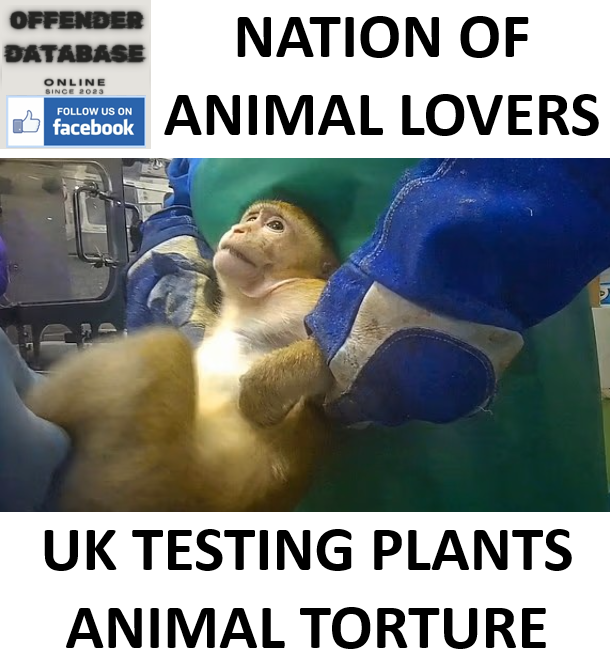
In 2026, unprecedented footage secretly filmed by a lab worker at two UK testing plants has reignited a fierce national debate regarding the ethics of pharmaceutical trials. The investigation established that long-tailed macaques are being restrained and subjected to procedures where new anti-obesity medications are fed directly into their stomachs to assess safety for human consumption. The prosecution of the industry’s methods reported that these animals, alongside beagles, pigs, and rabbits, endure “immense distress” and “extreme suffering” throughout the process.
The investigation established that these trials are not limited to life-saving treatments but include the testing of everyday products such as headache tablets, antihistamines, and antidepressants. The whistleblower reported that the animals are subjected to serial procedures of restraint and forced ingestion before being killed at the end of the study. The prosecution reported that their bodies are then dissected for further analysis, identifying a standard but “horrifying” industry practice that remains legally mandated for drug safety verification in the UK.
LABORATORY CONDITIONS AND WHISTLEBLOWER TESTIMONY
The court of public opinion has been deeply affected by the descriptions of “immense distress” experienced by the macaques. The investigation established that the worker, who was stationed at the plants for several months, felt compelled to document the strikes against animal welfare after witnessing the serial physical toll on the subjects. The prosecution reported that even medications for common conditions like reflux or high cholesterol undergo these rigorous and often lethal animal testing protocols before they are permitted to be sold in high street chemists.
Industry-led responses emphasize that current UK law requires animal testing to ensure human safety for all new chemical entities. For the nature of the serial pharmaceutical safety investigation reported, the footage highlights the visceral reality of the “pre-clinical” phase of drug development. The investigation established that while scientists are working toward synthetic alternatives, the 2026 reality for thousands of animals remains one of confinement, experimentation, and eventual dissection to satisfy statutory safety requirements.
STATUS AND REGULATORY REQUIREMENTS (APRIL 2026)
Based on Home Office and pharmaceutical records as of 21 April 2026:
- Facility Status: OPERATIONAL (The two UK plants cited remain under investigation by the Home Office).
- Species Involved: Long-tailed macaques, beagles, pigs, rabbits, and mice.
- Legal Requirement: Mandatory animal testing for all new pharmaceutical products under UK safety laws.
- Whistleblower Action: Footage submitted to the Home Office and animal welfare charities.
- Ethics Oversight: Subject to the Animals (Scientific Procedures) Act 1986.
- Judicial Oversight: Home Office Animals in Science Regulation Unit (ASRU).
- Research Record: Testing for weight-loss drugs, antidepressants, and common antibiotics; Routine euthanasia of all survivors.
- Origin: UK Laboratory sites (locations withheld for security).
MONITORING AND PUBLIC PROTECTION
The Home Office is currently reviewing the “disturbing” footage to determine if any serial breaches of welfare licenses occurred at the sites. Due to the nature of the reporting—specifically the claims of “immense distress”—inspectors are conducting unannounced audits of the laboratory conditions. Authorities reported that while animal testing identifies a critical part of human medicine safety, the 2026 investigation identifies a significant push for increased transparency regarding the suffering involved in the creation of non-essential weight-loss medications.
As part of the ongoing inquiry, the whistleblower’s evidence is being used to evaluate if the “refinement” of procedures is being adequately pursued by the pharmaceutical companies. Authorities state that the behavior documented in the footage identifies a tension between scientific necessity and human decency. Any finding of “unnecessary” cruelty will result in immediate license revocation to ensure that the principles of safeguarding are applied to animal subjects under the state’s care, even during the serial testing of everyday medications.
QUESTION – Given that everyday medicines like “Headache Tablets” and “Weight-Loss Drugs” are tested on animals that are then killed, do you believe the law should legally mandate a “Welfare Tax” on these products, with all proceeds going toward the development of non-animal testing technologies?
If you or anyone you know has been affected by the individuals highlighted on this website, please report them to the Police on 101 (999 in an emergency) or visit their online resources for further details on reporting a crime. You can also report to Crimestoppers if you wish to remain completely anonymous. There is help available on our support links page.